
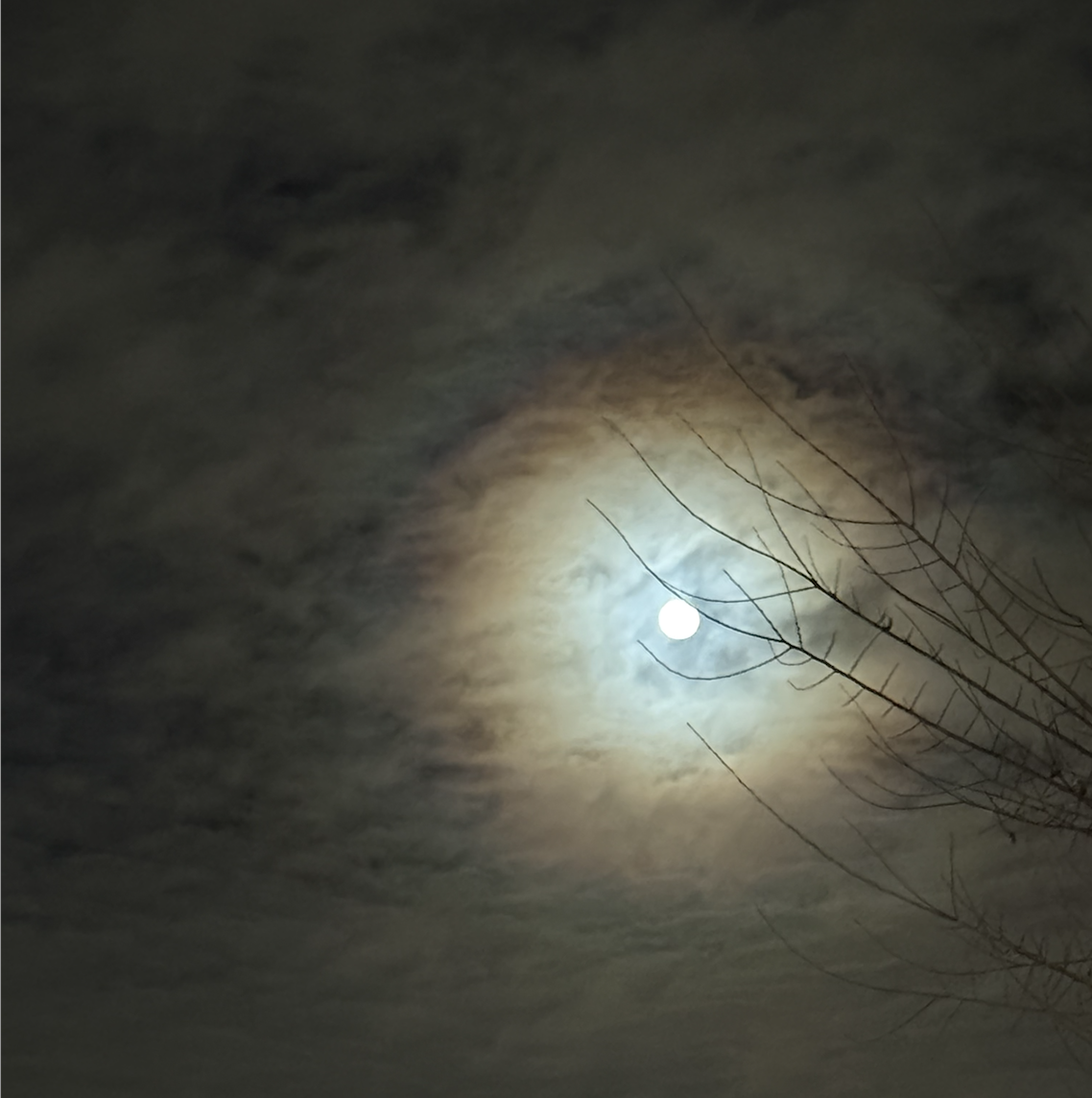
Gaslighting*
I’ll go get the Kerosene—
I don’t even need to say it. And it’s not real kerosene anyway. Just a metaphor; I’m not a violent person. But it’s almost as if my whole being is so highly attuned to the catastrophic effects of gendered violence that I can’t not see it. In fact, I see it so clearly it feels like it is seared into me somehow. I feel it as if it is physically painful.
It could be just a word, a slight look. A gesture. Anything at all. I see it. And I cannot ignore it. I cannot not point it out. And the thing that drives me the most crazy about it is that it is everywhere. It’s lurking in poems, outside of dressing rooms, in elevators, at board meetings, as part of conferences and retreats. Even in the return line at Best Buy. It is as ubiquitous as it is insidious. Other people often don’t notice. And then when I say or write something about it they are surprised at what they now see. Or, if they are part of the problem, they are concerned about how emotional I am. They get quiet and distant and ask instead about me. Are you OK? they ask. No I’m not. I’m not OK with the way that we continue to turn a blind eye to violence and make excuses for and cover up for perpetrators. Why should I be? I’m sick of it. I’m really really sick of it. And I’m tired of being blamed for being fed up with it and calling it out. This is not something defective about me. It’s something defective about our culture and about what we are willing to accept as inevitable and tolerate as normal. None of this should be OK with us.
Dear men: Stop telling me to cool down my writing.
Dear female partners of said men: Stop intervening on their behalf to try to show me that I’m being too emotional. Know this: Your quiet measured voice doesn’t fool me.
So, yes, I’ll bring the figurative kerosene. Maybe next time you’ll stand beside me with a match.
*thanks to Susan Deepam Wadds for the prompt she offered in a recent Write Your Way In workshop that inspired this writing.
***
Feminot
Because we need new words to fill the gaps in our language for naming women’s lives under patriarchy.
feminot
n. /ˈfɛmɪnɒt/
A person who wears feminism as a costume or thin veneer, but, when it matters, throws their weight behind men and the institutions that protect them. Instead of challenging what Alfred Adler called “the arch evil of our culture, the excessive pre-eminence of manliness,” a feminot helps shore it up, smoothing things over, explaining away men’s behaviour, and casting women’s principled objections as “emotional” or “triggered,” all while continuing to call themself a feminist.
First used 10 Dec. 2025 by Mary Simmerling, Ph.D.
***
Difficult
“I ask no favour for my sex. All I ask of our brethren is that they take their feet off our necks.” Sarah Grimké, as quoted by Ruth Bader Ginsburg
They say
I am
bewilderingly
(courageous)
emotional
(morally attuned)
cast me as
triggered
(by an almost
invisible violence
normalized as
inevitable)
I’ll tell you what
you’re missing
(blinded incompletely
in an abstraction
so many distractions)
nestled in a
cultural complicity
(treacherous abyss)
entrenched
so deep
(c’mon, smile honey)
you’ve forgotten
you’re like me—
(you don’t see me
but I still see
you reflected back)
and that
I’ll never
be fine
with that.
***
Why I Get Botox
an expository poem
Because
if you could
see
the emotion
on my face
watch the lines
harden
as you dismiss
belittle
and silence me—
you would
surely
turn
to stone.
***
In a Tension of Men
Whatever it is
or was
(what is it
that is happening?)
that I was trying to
say
got misinterpreted
confused
by any
disagreement
a conversation
(perhaps mediated)
with experts
cloaked inso many
titles
(and ignorance—
no longer
a viable
defence)
to help quell
and manage
emotional
disarray—
(what is
this tension)
and the discomfort
they feel
when we dare
disagree.
***
Quiet Now
It isn’t just
that they
slipped up
(misused words)
leveraged titles
to borrow legitimacy
(they’re professionals after all—
can you stop being
so emotional!)
weaponizing them
in the service of
silencing women
why can’t you stop being
so emotional—
***
An Allegory
Inside the palaceshe whispered
I am with you—
don’t leave me behind.
But in the dark
there are no shadows
erasures vanish
in plain sight—
and silence
reverberates
like the remains
of so many
untold stories.
***
A Different Perspective
In case
you want
something
less lofty—
(relational hygiene,
perhaps)
some insight
into epistemology
(you know—
what’s really going on)
the beginnings of
a trauma-informed
unmasking—
(mark your words
attend your title)Epistemologyn. /ǝˌpistǝˈmälǝjē/the theory of knowledge, especially with regard to its methods, validity, and scope. Epistemology is the investigation of what distinguishes justified belief from opinion.
regarding validity—
there is none
(no credibility
either)
the methods
and scope
that distinguish a professional
from a mirage
(and that’s not just
my opinion
but a justified belief
based on evidence)
it’s what we philosophers call
an analytic truth
(if a writer is someone who writes,
a warrior writes with courage).
***
I Dissent
I did not
consent
did not agree
to your appropriation—
(silencing
and erasure
to try to
manage
my words
my story)
(the truth is
that it is
in everyone’s
best interest
to treat
your words
as just
so much
fiction)
I said
no.
***
What Stays with Me
Is this:
the indignation I feel
when I think about
benefitting amid
suffering and despairv
ulnerable people
being misled
drawn into
a false nest—
shadows fall
in a cave where
no one
is spared.
And what is strong?
you ask—
My mind
as ever.